January 9, 2026
In recent years, vinyl flooring has surged in popularity in modern kitchens, driven by its aesthetic appeal, durability, and unmatched functionality. Among homeowners seeking both beauty and practicality, vinyl provides a versatile solution that meets diverse design needs. Given the ever-evolving preferences in interior design, vinyl offers an advantageous combination of style and resilience. With emerging technologies enhancing production, vinyl flooring now exhibits striking similarities to natural materials like wood and stone. This article aims to delve into the myriad benefits of vinyl flooring specifically tailored for the kitchen environment.
1. Cost-Effectiveness
1.1 Affordable Material Costs
Vinyl flooring stands out as an economical choice, particularly when compared to options such as hardwood or ceramic tiles. The material costs of vinyl are typically lower because of its synthetic composition and efficient production methods. Homeowners can achieve an attractive look without the financial burden associated with other premium flooring materials. Furthermore, cost-effective options do not compromise on quality or visual appeal, making vinyl an accessible luxury. According to Better Homes & Gardens, a notable 22% of homeowners select vinyl and resilient flooring for their kitchen, citing this affordability as a key factor.
1.2 Low Installation Expenses
One of the compelling aspects of vinyl flooring is its ease of installation, which significantly reduces labor expenses. Unlike other materials that require complicated procedures and specialized skills, vinyl tiles and planks often come with simple click-lock mechanisms. This user-friendly feature enables beginners to lay the flooring themselves, contributing to even greater savings. In addition to direct financial savings, the reduced time spent on installation equates to less disruption in household routines. The simplicity and speed of installation make vinyl flooring an attractive choice for budget-savvy renovators.
1.3 Longevity and Value for Money
A significant advantage of vinyl flooring is its impressive lifespan, often lasting for decades with proper care. This longevity ensures that initial investments are stretched out over many years, highlighting vinyl's remarkable value for money. As opposed to flooring options that may fade, warp, or deteriorate, vinyl maintains its structural integrity and luster. The durability of vinyl translates to fewer replacements and repairs, adding to its cost-efficiency. Over time, the consistent performance of vinyl flooring underpins its status as a wise economic choice for homeowners.
2. Durability and Resilience
2.1 Resistance to Moisture
Vinyl flooring is especially suited for kitchens due to its excellent resistance to moisture and humidity. The synthetic materials used in its construction are inherently non-absorbent, preventing water from seeping through and causing underlying damage. This resistance is crucial in kitchens where spills and splashes are common occurrences. Furthermore, manufacturers often add protective layers to improve the water-resilience of vinyl surfaces. Consequently, vinyl maintains its form and function even in the demanding environment of a busy kitchen.
2.2 Scratch and Stain Resistance
One of the prominent features of vinyl flooring is its high scratch and stain resistance, attributes that are critical in preserving its appearance. Surfaces of vinyl flooring are coated with a protective wear layer that deflects scratches from pet nails, foot traffic, and kitchen utensils. This protective shield effectively prolongs the lifespan of the flooring and reduces maintenance work. Furthermore, spillages, a common occurrence in kitchens, are easily wiped clean from vinyl surfaces without leaving lasting stains. As such, vinyl provides a practical solution for families emphasizing cleanliness and order.
2.3 Temperature Tolerance
Temperature fluctuations can be a concern for many flooring materials, but vinyl's design allows it to handle these variances with ease. Its synthetic composition is unaffected by the extreme temperatures typical in a kitchen, such as heat from appliances or cold drafts. This resistance prevents the material from expanding or contracting, which can lead to warping. Furthermore, the ability to withstand diverse temperatures enhances its versatility, allowing for creativity in kitchen design and layout. Homeowners can confidently deploy vinyl flooring, knowing it will perform consistently regardless of environmental changes.
3. Style and Versatility
3.1 Variety of Designs and Colors
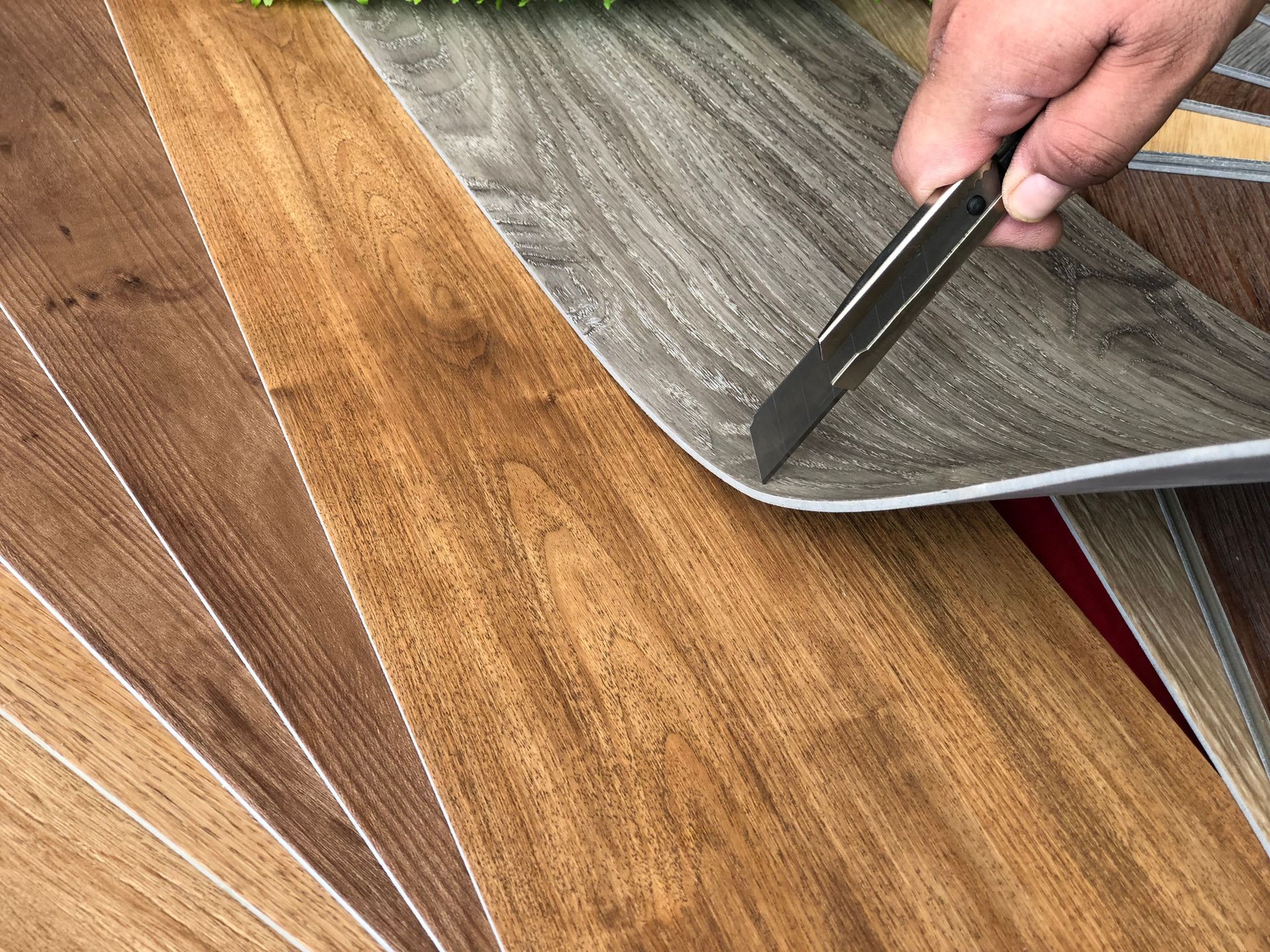
Vinyl flooring excels in style versatility, offering an extensive palette of designs and colors to suit any kitchen aesthetic. Whether homeowners lean toward modern, traditional, or eclectic styles, there is a vinyl option tailored to match their vision. This diversity empowers homeowners to experiment and express their unique style preferences boldly. As trends evolve, new patterns and color schemes are frequently introduced, ensuring that vinyl remains a contemporary choice. The dynamism of vinyl's design range solidifies its appeal across different design sensibilities.
3.2 Realistic Textures and Patterns
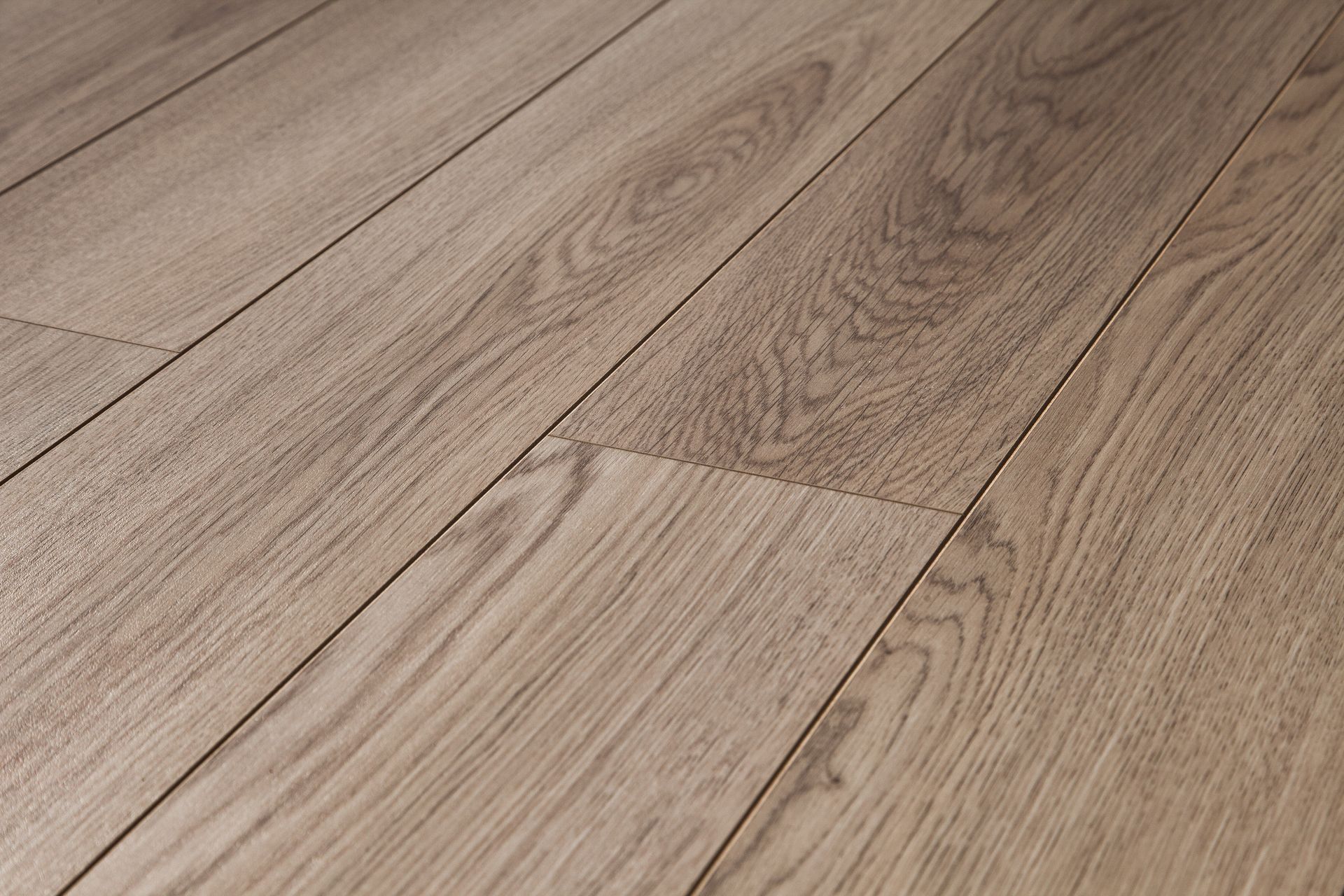
Recent innovations in vinyl production have allowed it to convincingly mimic natural textures and patterns such as wood grains and stone surfaces. This ability allows homeowners to achieve a high-end look without the associated cost or maintenance issues. Such realistic designs are appealing to those who desire the elegance of natural materials while benefiting from vinyl's practicality. Furthermore, advancements in embossing technology contribute to the tactile sensation, providing a satisfying underfoot experience. The result is a versatile product that beautifully combines form and function.
3.3 Compatibility with Different Kitchen Designs
Vinyl flooring seamlessly complements various kitchen designs, making it easy to integrate into any existing decor. Its broad spectrum of styles ensures that vinyl can enhance both contemporary and vintage settings, catering to a wide range of tastes. The flexibility in design capacity allows it to serve as a cohesive element that unites other decor components. Homeowners can confidently explore different design concepts, knowing that vinyl will adapt gracefully to their evolving visions. The intrinsic compatibility with diverse designs adds a layer of practicality to its aesthetic attributes.
3.4 Customization Options
Customization is a cornerstone of vinyl flooring, providing homeowners with the opportunity to personalize their spaces creatively. With digital printing technology, manufacturers can produce vinyl with custom designs, textures, and even trademarks. This personalization allows individuals to inject personal flair into their kitchens, creating spaces that reflect their personality and style. The options for customization extend to the layout itself, offering patterns such as herringbone or checkerboard for unique visual interest. In this way, vinyl flooring not only fits individual tastes but also amplifies creative expression in home design.
4. Comfort and Safety
4.1 Acoustic Properties
In addition to its physical comfort, vinyl flooring is valued for its effective sound-dampening characteristics. Whether it's the shuffle of feet or the clang of utensils, vinyl absorbs sound, creating a quieter kitchen environment. This feature is particularly advantageous in open floor plans, where noise can easily travel between kitchen and living areas. Residents who appreciate peaceful surroundings or reside in multi-unit buildings benefit greatly from vinyl's acoustic properties. Consequently, vinyl's capacity to mitigate noise forms an essential part of its appeal in family households and shared living spaces.
4.2 Anti-Slip Surfaces
Safety is paramount in kitchen environments, and vinyl flooring provides reassuring anti-slip surfaces to minimize the risk of accidents. Many vinyl variants include textured finishes or specific treatments that enhance grip, substantially reducing the likelihood of slips and falls. This safety measure is crucial in a space prone to water and food spills, aligning with vinyl's status as a practical kitchen solution. Additionally, these safety features do not detract from the visual appeal of the flooring, marrying function with style seamlessly. As such, vinyl's anti-slip qualities are integral to creating secure and family-friendly kitchens.
4.3 Support for Underfloor Heating
Vinyl flooring is compatible with underfloor heating systems, offering an additional layer of comfort through ambient warmth. The material's thermal properties efficiently conduct the heat generated by such systems, creating an evenly warmed surface throughout the kitchen. This compatibility is an attractive feature for homeowners in colder climates seeking efficiency and luxury. The integration of vinyl and underfloor heating also contributes to energy savings, as it often exceeds the heating efficiency of traditional radiators. Therefore, vinyl flooring offers both practicality and innovation in enhancing the kitchen's climate control.
Vinyl flooring presents an impressive set of advantages tailored for the kitchen environment. If you're looking for vinyl flooring services, contact David's Flooring of Seattle today.